
The Rise of AI-Powered Humanoid Robots
Table of Contents
- Introduction
- NTU’s New Leap in Robotics
- How These Robots Will Change Industry
- The Challenges Behind the Innovation
- What the Future Holds
- Conclusion
Introduction
If you’ve been keeping an eye on the tech world lately, you’ve probably noticed the buzz around
AI-powered humanoid robots. These aren’t just futuristic ideas anymore—they’re becoming real, practical tools designed to work alongside people.
When I first learned about NTU opening a lab dedicated to building the next generation of these robots, it didn’t feel like just another science headline.
It felt like a clear sign that we’re stepping into a new era of human-robot collaboration.
NTU’s New Leap in Robotics
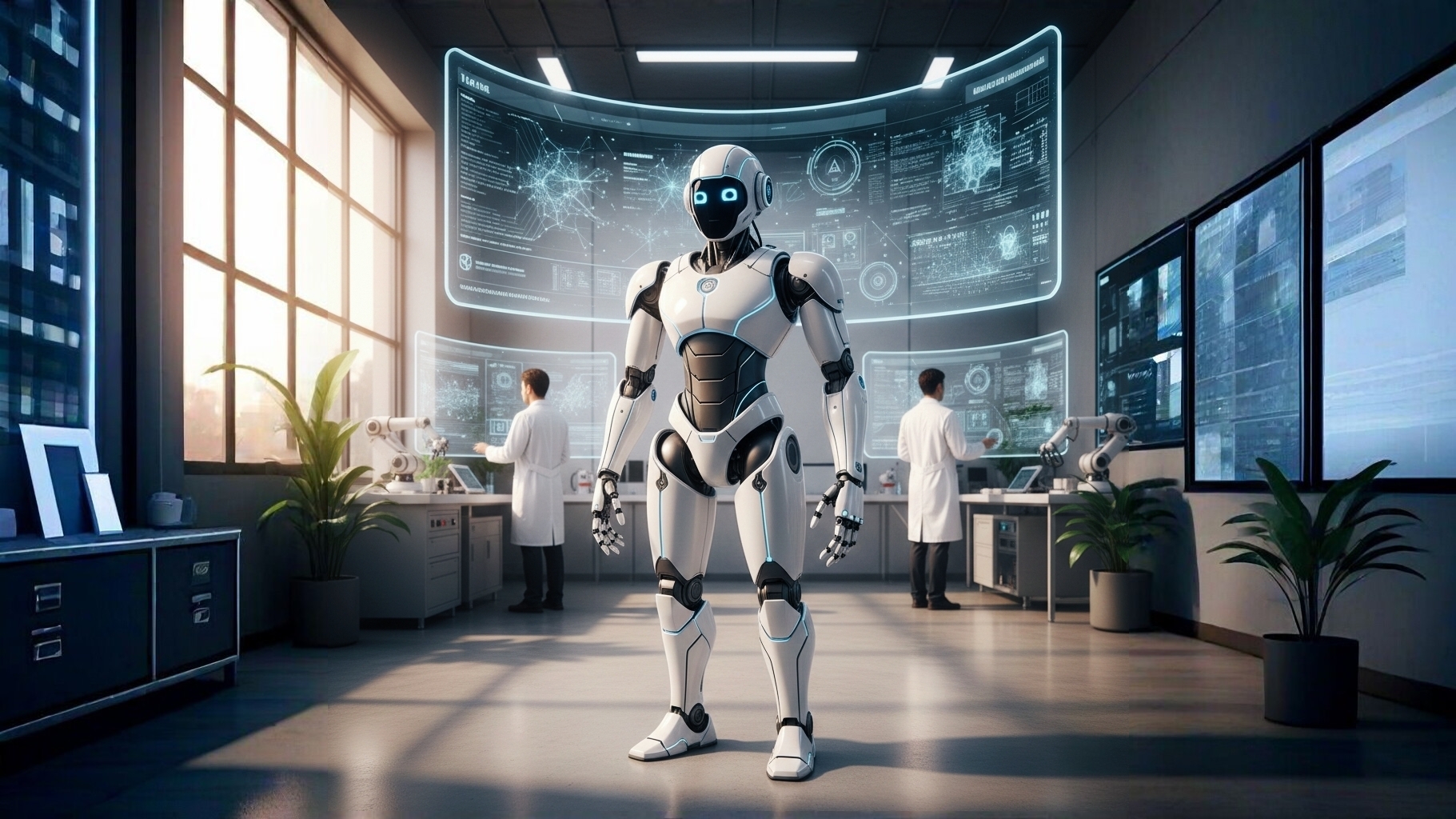
Nanyang Technological University has officially launched a lab focused entirely on developing
AI-powered humanoid robots for real-world industry tasks.
This isn’t about building robots that simply look like humans—it’s about teaching them to think, adapt, and assist in ways that feel surprisingly natural.
Engineers, researchers, and industry partners are working together to push past the limits of current robotics.
From experimenting with human-like movement to training robotic systems to make context-based decisions, the lab is aiming for breakthroughs that could reshape multiple industries.
Why This Lab Matters
I’ve followed robotics research for years, and what makes this lab special is the combination of AI, engineering, and practical industry testing.
It’s not just a research center—it’s a place where new ideas are immediately tried in real factory environments, hospitals, and logistics systems.
That kind of hands-on development is what helps AI-powered humanoid robots move from research papers into meaningful use.
How These Robots Will Change Industry
Industries today are facing staffing shortages, heavy workloads, and tasks that can be repetitive or physically tough for humans.
That’s where AI-powered humanoid robots can step in.
They’re being designed to handle factory inspections, carry materials, assist with warehouse tasks, and help workers operate more safely and efficiently.
One researcher described them as “co-workers that don’t replace jobs but make hard jobs easier,” and honestly, that feels like the most realistic view of their role.
Natural Interaction, Real Assistance
Robots that can understand voice commands, read the environment, and respond with human-like precision can blend into workplaces far better than older machines.
Imagine a robot handing tools to engineers, supporting nurses in hospitals, or helping with maintenance checks in places humans can’t easily reach.
That’s the kind of future NTU’s project is steering toward.
The Challenges Behind the Innovation
Of course, none of this progress comes without hurdles.
From my own experience following robotics development, three challenges always stand out:
- Creating stable, human-like movement
- Building AI that reacts safely and predictably
- Ensuring robots can adapt to constantly changing environments
The good news is that the new NTU lab is combining hardware expertise with advanced AI training models, giving these robots the chance to learn more like humans—through practice, repetition, and real-world feedback.
What the Future Holds
We’re still at the beginning of what AI-powered humanoid robots can become.
But the direction is clear: industries will rely on robots that can understand context, communicate more naturally, and work alongside people instead of replacing them.
Over the next decade, we’ll likely see these robots becoming common in logistics centers, construction sites, healthcare facilities, and even retail environments.
Conclusion
The development of AI-powered humanoid robots isn’t just a technological milestone—it’s a shift in how we think about teamwork between humans and machines.
With NTU leading one of the most promising global efforts, we’re watching the early stages of a transformation that will touch nearly every industry.
If the progress so far is any indication, the future of robotics is going to feel a lot more human than we ever expected.