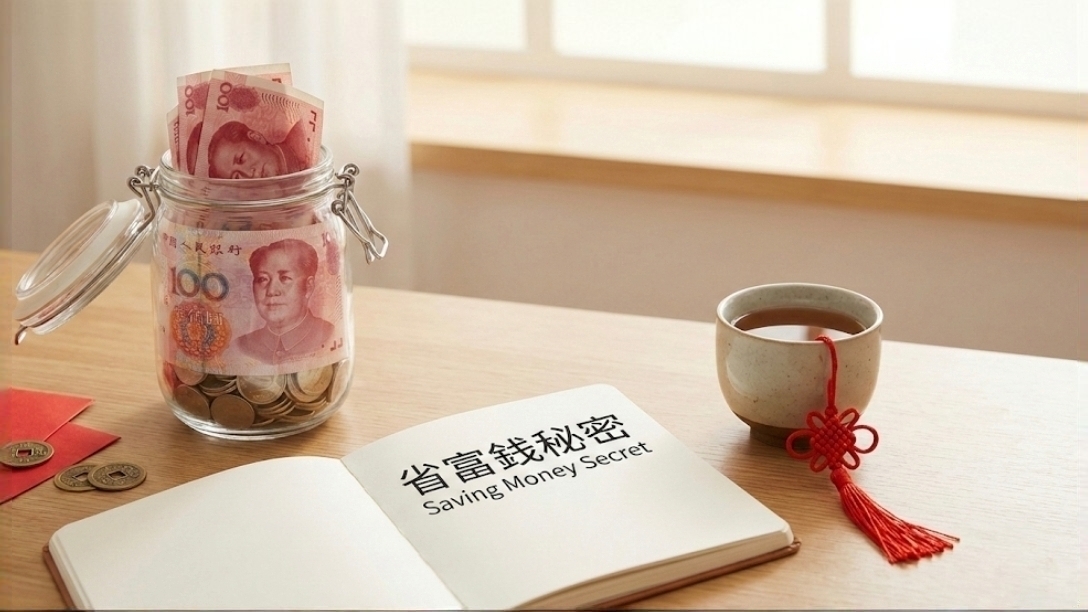

China Saving Money Secret: What We Can Learn
If you’ve ever wondered how some families manage to stretch their income, prepare for emergencies, and still maintain long-term financial stability, the China saving money secret is something worth paying attention to. After years of traveling in Asia and speaking with locals, I’ve learned that Chinese households often approach money with a mindset that feels both traditional and surprisingly practical. Their habits aren’t extreme—they’re simply consistent, intentional, and rooted in daily discipline. Today, I want to share what I’ve personally observed and why these methods work so well.
Table of Contents
- The Mindset Behind the China Saving Money Secret
- Daily Habits That Make a Big Difference
- Why Family Culture Plays a Major Role
- Modern Versions of the Saving Money Secret
- Conclusion
The Mindset Behind the China Saving Money Secret
The foundation of the China saving money secret starts with mindset. Instead of seeing saving as something that happens “if there’s money left,” many Chinese families treat it as the first step, not the last. From young adults to grandparents, there’s a shared belief that financial security comes from discipline, not high income.
During my time in Shanghai, one family explained it perfectly: “Money saved is freedom earned.” This principle guides their decisions—whether to eat out, buy new clothes, or spend on entertainment. They aren’t anti-fun; they’re simply calculating the value of each choice.
Daily Habits That Make a Big Difference
1. Paying Themselves First
Most Chinese workers automatically set aside a small portion of their paycheck before doing anything else. It could be 5%, 10%, or even more, but the key is consistency. This habit creates a safety net long before problems appear.
2. Cooking at Home
One of the most noticeable habits I saw was the preference for home-cooked meals. Even in busy cities, many people prepare simple dishes at home. It’s not just cheaper—it’s healthier and helps build long-term savings without feeling restrictive.
3. Cash Tracking
Although China is known for digital payments, older generations still track expenses with remarkable precision. I’ve watched elders write down small purchases the way we track calories. This awareness naturally limits unnecessary spending.
Why Family Culture Plays a Major Role
Family support is one of the strongest elements behind the China saving money secret. Parents help children with education, and grown children often help aging parents. This shared responsibility dramatically reduces financial pressure for everyone involved.
In many homes, multiple generations live under one roof. Instead of splitting into separate households—with separate rent, bills, and food costs—they pool resources. It’s a practical setup that keeps expenses low and emotional support high.
Modern Versions of the Saving Money Secret
Today’s younger generation in China has taken traditional habits and adapted them with modern tools. Apps track spending automatically, group-buying discounts help families shop cheaper, and saving challenges are popular on social media. Even with higher living costs, the mindset stays the same: save a little, but save consistently.
Many young professionals also prioritize building emergency funds and investing in low-risk financial products. They’re learning from past generations while upgrading the strategy with better technology and information.
Conclusion
The China saving money secret isn’t a mysterious formula—it’s a collection of simple, thoughtful habits practiced every day. Whether it’s prioritizing savings, sharing family responsibilities, or being mindful of spending, these lessons remind us that financial stability doesn’t happen overnight. It happens through small choices repeated again and again. If you’re looking for inspiration to build healthier money habits, this approach offers a practical and meaningful place to start.