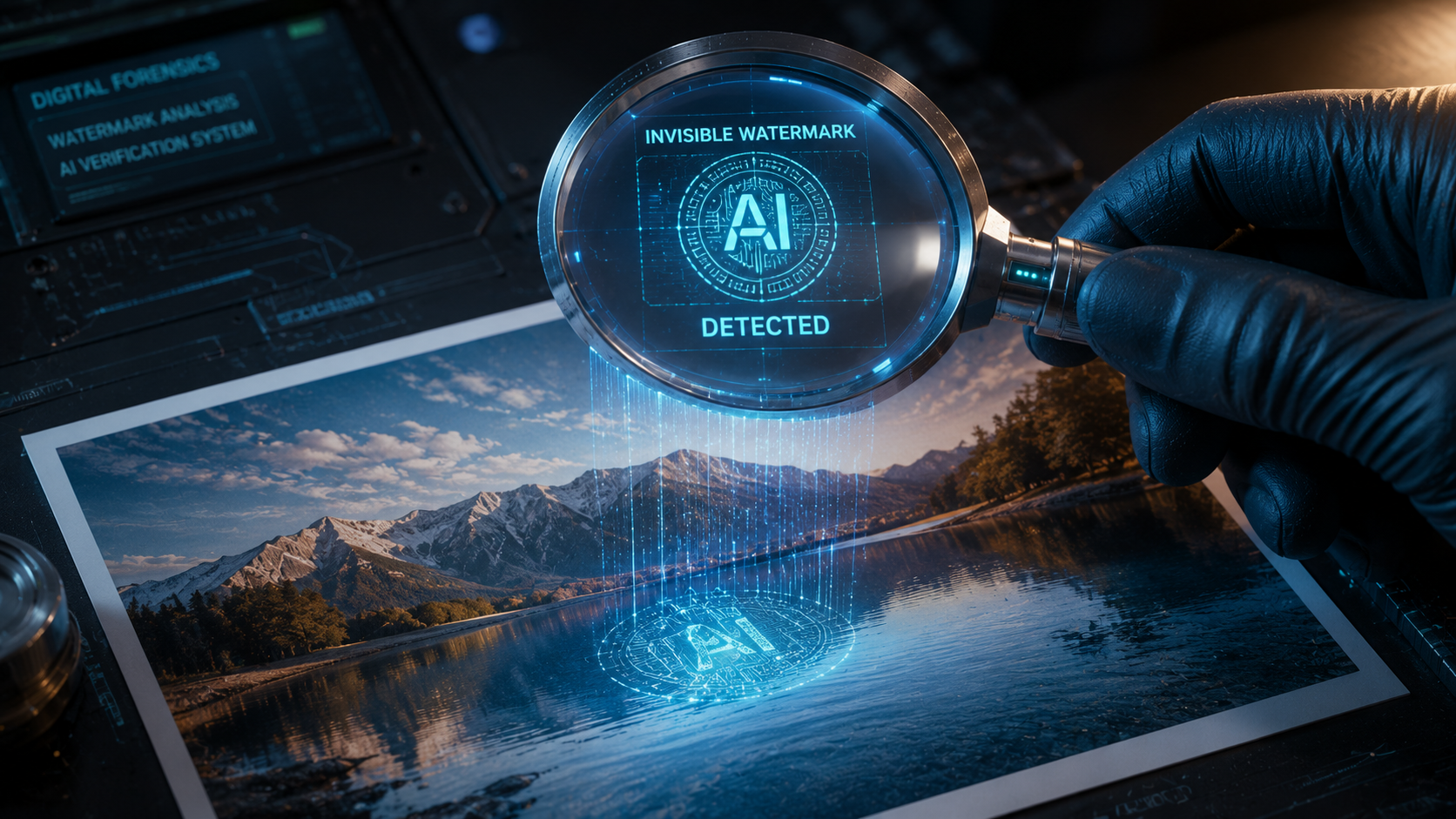

How Google SynthID Helped Expose a Viral AI Hoax Image
Table of Contents
Have you ever looked at a viral image online and wondered if it was actually real? I know I have. As AI-generated images become more convincing, it’s getting harder to separate facts from fiction. That’s why I found a recent case involving Google SynthID especially interesting—it showed that AI can also be part of the solution, not just the problem.
A fake image that appeared to show Mitch McConnell lying in a hospital bed surrounded by medical tubes spread rapidly across social media platforms like Reddit and X. At first glance, it looked believable enough to fool thousands of people.
Thankfully, it didn’t take long for fact-checkers to investigate.
The Fake Hospital Image Was Quickly Debunked by Google SynthID
By Wednesday, Snopes confirmed that the image wasn’t authentic. The reason was surprisingly simple: the picture contained the Google SynthID invisible watermark, which is specifically designed to identify AI-generated images.
That tiny hidden signature immediately revealed that the image had been created using AI rather than captured by a real camera.
For once, the technology worked exactly as intended, preventing misinformation from spreading even further.
The timing played a big role.
Senator McConnell’s health has been under heavy public discussion after he was hospitalized following an emergency call on June 14. Because he has made relatively few public appearances since then, many people were already wondering about his condition.
That uncertainty made the fake image seem believable, allowing it to spread quickly across social media before being verified.
This situation is a good reminder that emotionally charged news often makes people less likely to question what they see online.
What Is Google SynthID?
Google introduced this technology during its 2025 I/O Developer Conference as a way to help identify AI-generated content.
Unlike visible watermarks placed in a corner of an image, Google SynthID embeds an invisible digital signature directly into the image itself. The watermark cannot normally be seen by people, but specialized detection systems can recognize it.
The Durability of the Watermark
One of the most impressive features is its durability. Even if someone:
- Takes screenshots
- Shares the image across multiple platforms
- Compresses or resizes the picture
The hidden watermark can often still be detected. That’s exactly what happened with the fake McConnell image.
Which AI Models Support Google SynthID?
At the moment, this tool isn’t universal. Here’s how support currently looks:
- Google Gemini: Has included watermarks since the program launched in 2025.
- OpenAI: Joined the initiative in May 2026 as part of its effort to reduce AI-generated misinformation.
- Anthropic: Currently does not participate in this program.
Because participation is voluntary, it can only identify images created by AI systems that actually embed the watermark.
How You Can Check an AI Image Yourself
If you’re unsure whether an image was generated by AI, there are now simple ways to check. You can:
- Ask Google Gemini to analyze the image.
- Upload the image to OpenAI’s public image verification tool, which can detect supported Google SynthID watermarks.
These tools won’t identify every AI-generated image on the internet, but they’re becoming valuable resources for spotting content created by participating AI models.
Why This Matters
I think this case highlights something important: while AI has made creating fake images easier than ever, it can also help us identify those fakes.
No detection system is perfect, and Google SynthID still depends on AI companies choosing to participate. But this incident shows that digital watermarking can make a real difference when misinformation starts spreading.
As AI-generated content becomes more common, tools like Google SynthID could become one of the most effective ways to protect people from being misled by convincing—but completely fabricated—images.
In this case, a viral hoax was stopped because an invisible watermark quietly did its job. That’s a small but meaningful step toward making the internet a little more trustworthy.