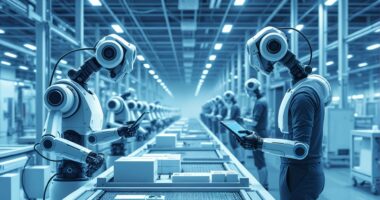
AI Safety Concerns: What They Mean for Our Future
Table of Contents
- Understanding AI Safety Concerns
- Why AI Safety Concerns Are Growing
- Common Risks Associated With AI
- AI Safety Concerns in Business and Society
- The Role of Responsibility and Regulation
- What the Future of Safe AI Looks Like
- Conclusion
Understanding AI Safety Concerns
Artificial intelligence is becoming part of everyday life, from recommendation systems to medical tools and customer support.
As its influence grows, so do AI Safety Concerns. These concerns focus on how AI systems behave, how decisions are made,
and whether the outcomes align with human values.
AI safety is not about stopping innovation. It is about making sure technology works for people rather than creating harm through errors, bias, or misuse.
Why AI Safety Concerns Are Growing
One reason AI Safety Concerns are increasing is the speed at which AI is being adopted.
Many systems are deployed quickly, sometimes without fully understanding long-term consequences.
Another issue is scale. A small error in an AI system can affect millions of users at once.
This makes safety mistakes far more impactful than traditional software problems.
As AI begins to influence hiring, lending, healthcare, and public services, the stakes become even higher.
Common Risks Associated With AI
Several key risks often appear in discussions around AI Safety Concerns. One of the most talked-about issues is bias.
AI systems learn from data, and if that data reflects existing inequalities, the results may reinforce them.
Another risk is lack of transparency. Some AI models operate like “black boxes,” making decisions that are difficult to explain or challenge.
There are also concerns about overreliance. When humans trust AI too much, they may stop questioning outputs, even when something feels wrong.
AI Safety Concerns in Business and Society
Businesses increasingly rely on AI to improve efficiency and decision-making. However, ignoring AI Safety Concerns can damage trust and reputation.
Customers expect fairness, privacy, and accountability. If an AI-driven system causes harm or makes unfair decisions, organizations are often held responsible.
In society, AI safety affects areas like surveillance, misinformation, and automation. The way AI is used can either support social progress or deepen existing problems.
The Role of Responsibility and Regulation
Addressing AI Safety Concerns requires shared responsibility. Developers, companies, and governments all play a role.
Clear guidelines help ensure AI systems are tested, monitored, and corrected when issues arise. Regulation is not meant to slow innovation,
but to provide guardrails that protect users and maintain public confidence.
Equally important is internal responsibility. Ethical design, diverse testing teams, and ongoing audits can prevent many safety issues before they reach users.
What the Future of Safe AI Looks Like
The future of AI depends on how well we address current AI Safety Concerns.
Safer systems will be more transparent, easier to audit, and designed with human oversight in mind.
Education also matters. Helping people understand AI limitations encourages healthier interactions with technology.
As awareness grows, safety is becoming a competitive advantage rather than an obstacle.
Conclusion
AI Safety Concerns are not signs of failure, but signals that technology has reached a level of influence that demands care.
By focusing on fairness, transparency, and accountability, society can benefit from AI while minimizing risk.
Responsible development today will determine whether AI becomes a trusted partner or a source of ongoing uncertainty in the years ahead.